info@michgc.com

Security Window Film vs. Riot Glass: What Detroit Retailers Need to Know
Security window film for Detroit retail storefronts is the starting point for most conversations about smash-and-grab protection, but it is not the right answer for every situation. Detroit retailers on Woodward Avenue, in Midtown, in Eastern Market, in Dearborn, and throughout the suburban retail corridors in Southfield, Troy, and Warren are dealing with a threat environment that ranges from opportunistic overnight break-ins to coordinated multi-person forced-entry attempts that overwhelm standard storefront glass in seconds.
Understanding the difference between security film, laminated film, and Detroit riot glass solutions is not a technical exercise. It is a practical decision that determines how long your storefront holds when someone decides to come through it. Michigan Glass Coatings installs all three levels of protection for Detroit retail properties, and this guide provides a clear framework for determining which level your business actually needs.
Michigan Glass Coatings serves retail storefronts, commercial properties, and high-risk businesses throughout Detroit and surrounding areas, including Southfield, Troy, Dearborn, Warren, Royal Oak, and Birmingham.
The Smash-and-Grab Threat in Detroit Retail Right Now
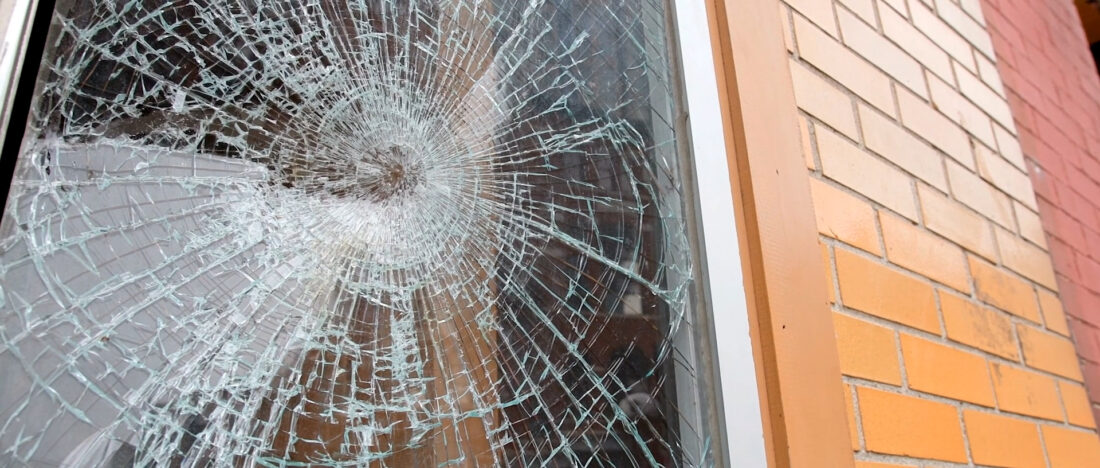
Detroit retailers are operating in one of the more challenging security environments in the Midwest. Smash-and-grab incidents targeting jewelry stores, cannabis dispensaries, pharmacies, electronics retailers, and high-end boutiques have been documented across the metro in recent years, and the pattern is consistent: attackers use blunt instruments or vehicles to breach storefront glass quickly, reach product or cash in under two minutes, and exit before a law enforcement response arrives.
The financial exposure from a single smash-and-grab goes beyond the value of stolen merchandise. A broken storefront requires emergency boarding, glass replacement, potential alarm system repair, cleaning, and, in many cases, temporary closure during the repair window. The combined direct and indirect costs of a single incident for a Detroit retailer often run into the thousands of dollars before the insurance claim is even filed.
The most practical response to that exposure is hardening the glass before an incident occurs, not after. The question is which level of hardening is appropriate for your specific storefront and your specific threat profile.
How Security Window Film Works
Security window film is a thick polyester or multi-layer composite film applied to the interior surface of existing storefront glass. When the glass is struck and breaks, the film holds the shattered fragments bonded together rather than allowing them to scatter or fall out of the frame. An attacker who expects glass to clear in one or two strikes instead faces a surface that requires repeated, sustained effort to create an opening.
Professional security film installation from Michigan Glass Coatings covers the full range of security film specifications for Detroit retail storefronts, from entry-level safety film to heavy-duty laminated film for high-risk applications.
Film Thickness, Attachment Systems, and What Actually Stops an Attack
Film thickness, measured in thousandths of an inch, is the primary variable in security film performance. Thicker film holds broken glass together more effectively and resists penetration under more severe impact conditions.
Eight-thousandths-of-an-inch film is the standard entry-level specification for Detroit retail security applications. It provides meaningful glass retention under opportunistic smash-and-grab conditions. It is the appropriate starting point for general retail storefronts where the primary threat is a quick, tool-based break-in attempt.
Twelve to fourteen-thousandths-of-an-inch laminated security film is the heavy-duty specification for Detroit storefronts with higher threat exposure. This thickness level holds broken glass together under more sustained attack. It is appropriate for dispensaries, jewelers, pharmacies, and any retailer with concentrated, high-value inventory that makes a sustained attack worthwhile for the attacker.
The attachment system is the element that most significantly affects real-world performance. Film applied with a standard adhesive holds the fragments together but allows the intact glass-and-film assembly to be pushed out of the frame under sustained pressure. A mechanical attachment system bonds the film-and-glass assembly to the window frame, preventing the panel from being pushed through and significantly extending the forced-entry delay time. Michigan Glass Coatings includes attachment system evaluation in every Detroit retail security assessment and specifies the appropriate anchoring method for each frame type.
How Riot Glass Works
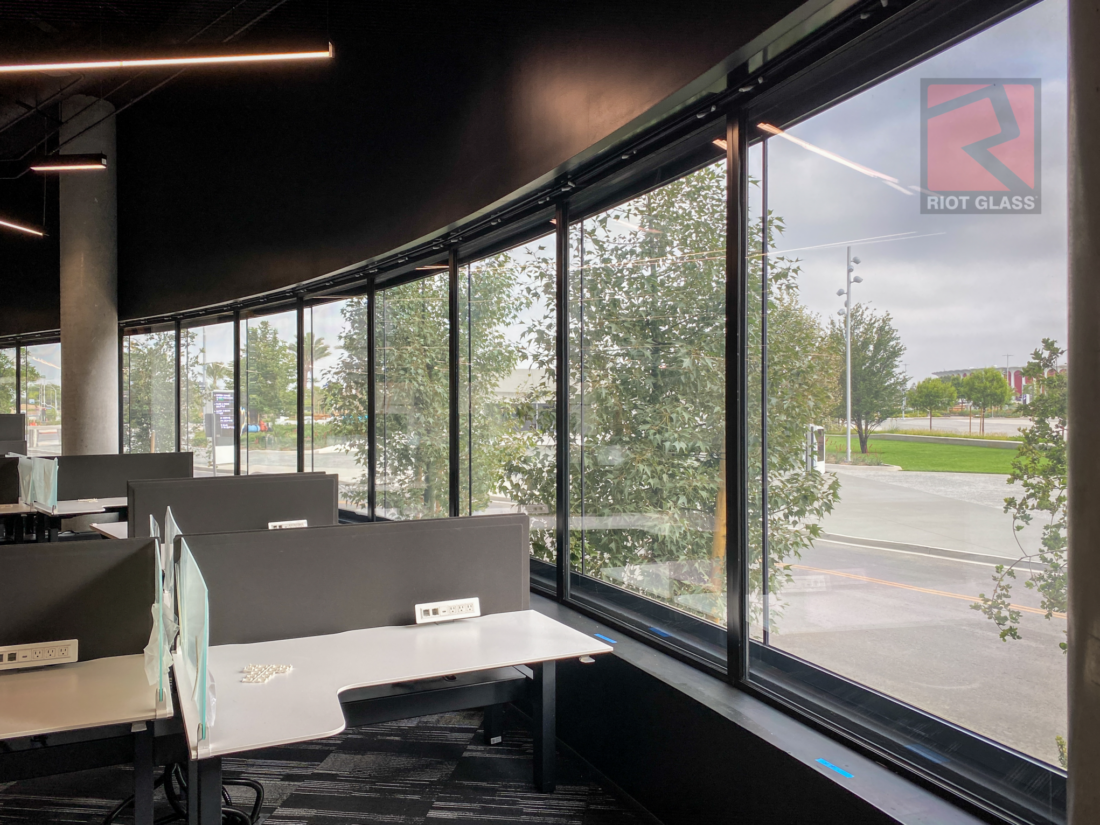
Riot glass is a structural panel product, not a film. The most common riot-glass materials are polycarbonate, a tough, transparent material that flexes and absorbs impact rather than fracturing, and laminated glass composites that combine multiple glass layers with engineered interlayers designed to hold the layers together and resist penetration during sustained attack.
When riot glass is struck with a blunt instrument, the energy of the strike is absorbed and distributed across the panel surface. The panel may show surface marking or deformation, but it is unclear and does not allow penetration for significantly longer than standard glass filmed under the same conditions. Detroit riot glass solutions from Michigan Glass Coatings are specified based on the threat level and frame configuration of each specific opening.
Forced-Entry Ratings and Glazing Replacement Considerations
Riot glass products are rated for forced-entry delay under standardized testing protocols that simulate sustained attack with specific tools at specific force levels. Ratings express how long the panel resists penetration under those test conditions. Higher-rated configurations provide longer delay times and are appropriate for higher-threat applications, including dispensaries, banks, jewelry stores, and pharmacies, where the value of the inventory behind the glass justifies a higher per-opening investment.
Riot glass can be installed as a full glazing replacement, which removes the existing glass and installs a riot glass panel in the frame, or as a retrofit panel installed in front of the existing glass within the existing frame system. Full replacement provides the highest performance but requires more installation time and incurs higher costs. Retrofit installation is less disruptive and lower-cost while delivering meaningful performance improvements for most Detroit retail storefront applications.
Cost, Install Time, and Insurance Implications
Security film is the lowest-cost option of the three. A standard Detroit retail storefront with a primary entry panel and adjacent sidelights typically receives security film installation in one to two days without closing the business. The per-square-foot installed cost is accessible within most retail security budgets and covers significantly more glass area per dollar than riot glass.
Riot glass has a higher per-opening cost than security film because its materials are more expensive, and installation is more involved. For Detroit retailers where the threat profile justifies the investment, riot glass on primary entry points and display case glass delivers a forced-entry resistance level that security film cannot match. The investment concentrates on the highest-threat openings rather than every glass surface in the building.
Insurance considerations vary by carrier and policy type. Security film does not qualify for the same certified wind-resistant construction credits that impact windows receive. Still, some Michigan commercial property and liability insurers consider documented physical security improvements when evaluating coverage terms for high-risk retail accounts. An installation record from Michigan Glass Coatings, specifying the film type, attachment system, and coverage area, supports the conversation with the carrier. Detroit retailers should contact their insurance broker before and after installation to understand how their specific carrier treats security glazing documentation within their current policy.
Commercial window tinting in Detroit can be incorporated alongside security film or riot glass for storefronts where solar control and interior comfort are also part of the building improvement objective.
Choosing Between Film, Riot Glass, or a Layered Approach
The right answer for most Detroit retailers is not one product applied uniformly across every opening. It is a tiered specification that matches the right product to each opening based on its specific threat level and the value of what lies behind it.
General retail, salons, and boutiques in Detroit and suburban retail corridors typically face an opportunistic smash-and-grab threat profile. Eight to twelve-thousandths-of-an-inch security film with an attachment system on primary entry glass and display windows is the appropriate and cost-effective specification for these businesses.
Dispensaries, jewelers, electronics retailers, and high-value boutiques face a higher and more sustained threat level. Riot glass on primary entry points and display case glazing, with heavy-duty security film on secondary and perimeter glass, delivers the layered protection profile that the inventory value behind those openings justifies.
Pharmacies, banks, and critical infrastructure face the highest threat of forced entry in the Detroit retail market. Riot glass on primary entry glazing, ATM vestibule panels, and teller or counter glass is the appropriate specification, with security film covering the remaining glass perimeter.
Michigan Glass Coatings designs tiered security glazing specifications for Detroit storefronts, matching the right product to each opening based on the assessed threat level, the frame configuration, and the retailer’s security budget. The result is a protection profile that is more effective than security film alone and more cost-efficient than riot glass on every opening.
Contact Michigan Glass Coatings today to schedule a security assessment for your Detroit retail storefront and get a specification that matches the right product to the right opening across your building.
Frequently Asked Questions
Will security window film stop a smash-and-grab attack on a Detroit storefront?
Security film will not prevent the glass from breaking when struck. What it does is hold the broken glass together so the opening does not clear on the first strike, which means an attacker who expects to reach through quickly instead faces a surface that requires repeated, sustained effort to create an opening. For most opportunistic smash-and-grab attempts against Detroit retail storefronts, that delay is enough to cause the attempt to be abandoned. For sustained attacks with heavy tools, where the attacker is willing to work for several minutes, heavy-duty laminated film with an attachment system can significantly extend the delay, but can eventually be defeated. Riot glass is the appropriate specification for storefronts that face that level of sustained threat.
How much does riot glass cost to install on an existing retail storefront?
Riot glass installation cost for a Detroit retail storefront depends on the number of openings being treated, the specific panel specification, and whether full glazing replacement or retrofit installation is used. Retrofit installation, which places a riot glass panel in front of the existing glass within the existing frame, is less expensive than full replacement and is the appropriate approach for most existing Detroit storefronts. Michigan Glass Coatings provides itemized written quotes after conducting a site assessment, so retailers can make informed decisions about which openings to prioritize within their security budget.
Can I install security film without replacing my current glass?
Yes. Security film is a retrofit product applied to the interior surface of existing glass without replacing the glass or modifying the frame. It bonds directly to the existing glass surface and is the least disruptive and lowest-cost path to improved storefront security for Detroit retailers. The only consideration is confirming that the existing glass type is compatible with the film specification being applied, which Michigan Glass Coatings addresses during the site assessment.
Does Detroit retail security film qualify for any insurance discounts?
Some Michigan commercial property and liability insurers consider documented security glazing improvements when evaluating coverage terms for high-risk retail accounts. Whether a specific carrier provides a premium adjustment depends on the carrier, the policy type, and the specific coverage lines involved. Michigan Glass Coatings provides installation documentation formatted for insurance submission with every project. Detroit retailers should contact their broker before and after installation to understand how their carrier treats security glazing improvements within their specific policy.
How long does a typical security film installation take?
Most security film installations for standard Detroit retail storefronts are completed in one to two days without requiring the business to close. The installation crew cleans the glass, applies the film, trims to exact dimensions, and installs the attachment system if one is specified. The business can operate normally throughout the installation, and the storefront is fully secured the same day the crew finishes. Larger projects covering multiple storefronts or a full-building perimeter are phased over multiple days, with a schedule that Michigan Glass Coatings coordinates with the retailer in advance.