info@michgc.com

Residential Window Tinting in East Grand Rapids: UV Protection for Sunlit Homes
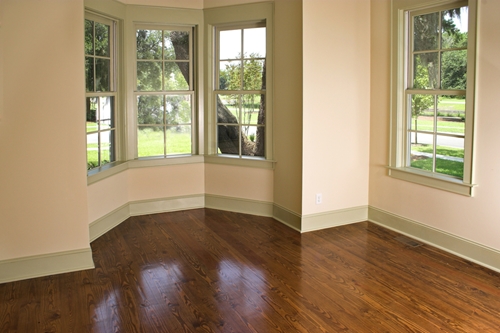
Residential window tinting for East Grand Rapids homes is the upgrade that homeowners on Reeds Lake, along the Cascade Road corridor, and throughout the wooded streets of East Grand Rapids and Cascade Township are choosing when they want to protect the hardwood floors, artwork, and upholstered furniture that make their homes worth living in without making the picture windows that frame those views look dark, tinted, or institutional. The combination of west-facing glass and the bright reflections off Reeds Lake and the surrounding water features creates one of the highest levels of ultraviolet exposure in residential interiors in the West Michigan market.
Residential window tinting from Michigan Glass Coatings addresses that exposure with film that blocks 99 percent or more of ultraviolet radiation, the primary driver of fading in every vulnerable material in the home, without changing how the window looks from the street or darkening the interior views that East Grand Rapids homeowners invest in.
Michigan Glass Coatings serves homeowners throughout East Grand Rapids and surrounding areas, including Cascade, Ada, Forest Hills, Caledonia, and Byron Center.
Why East Grand Rapids and Cascade Homes Fade Faster Than Owners Expect
The fading process in a sunlit home is not dramatic or sudden. It is cumulative, invisible for years, and then suddenly obvious when a rug is moved, and the floor underneath shows its original color, or when a painting comes off the wall and the surrounding surface reveals how much the rest of the room has shifted.
East Grand Rapids and Cascade homes have a specific combination of factors that accelerate the process compared to homes in more sheltered or north-facing situations. Large west-facing windows in living rooms, dining areas, and master suites receive direct afternoon sun for several hours every day from spring through fall. Water-reflected light from Reeds Lake and other nearby water features adds an ambient ultraviolet exposure component that homeowners typically do not account for. Yet, it contributes meaningfully to the total ultraviolet load reaching interior surfaces through west- and south-facing glass.
The materials most affected by this exposure are also the most expensive to repair or replace: solid hardwood floors that cannot be refinished more than a few times before the surface layer is consumed, original artwork and photography that has no exact replacement, silk and wool area rugs that are irreplaceable at any price point, and upholstered furniture in natural fibers that fades unevenly in sun-exposed areas and cannot be uniformly restored.
How Residential Window Film Blocks 99 Percent of Ultraviolet Radiation
Ultraviolet radiation is the component of sunlight that causes photodegradation, the chemical process by which pigments, dyes, fibers, and surface finishes break down when exposed to light. It is invisible, which is why homeowners consistently underestimate its cumulative effect until the damage is already done.
Quality residential window film blocks 99 percent or more of ultraviolet radiation across the full spectrum of wavelengths that drive fading in interior materials. This is true across multiple film technology categories and is independent of the film’s visible light transmission level. A clear or nearly clear film blocks the same percentage of ultraviolet radiation as a darker-tinted film from the same product family. The film’s visible darkness and its ultraviolet-blocking performance are separate properties.
Clear Ultraviolet Film vs. Lightly Tinted vs. Spectrally Selective
East Grand Rapids homeowners evaluating residential window film have three main technology approaches, and the choice among them determines how much the window’s appearance changes, how much solar heat is rejected, and how much ultraviolet blocking is provided.
Clear ultraviolet film provides 99 percent or more ultraviolet blocking with essentially no visible tint and no meaningful change in the window’s exterior appearance. It is the right specification for East Grand Rapids homeowners whose primary goal is material protection and who do not have a significant heat or glare problem. From the street and from inside the home, the window looks identical to unfilmed glass.
Lightly tinted film provides the same ultraviolet-blocking performance with a slight visible tint that also reduces solar heat gain and visible-light glare to a modest degree. For homes where afternoon heat in west-facing rooms is a secondary concern alongside ultraviolet protection, a lightly tinted specification addresses both goals without producing a strongly tinted exterior appearance.
Spectrally selective film uses advanced optical technology to block a high percentage of near-infrared heat and ultraviolet radiation while maintaining high visible light transmission. For East Grand Rapids lakefront and water-adjacent homes where both fading protection and afternoon heat reduction are priorities, spectrally selective film is the specification that delivers the most comprehensive performance without visible compromise in window appearance. Solar control window film covers the full range of spectrally selective and solar control products available for East Grand Rapids homes, where heat and ultraviolet protection are both relevant goals.
What Fades, How Fast, and What Window Film Actually Saves
Hardwood Floors, Art, Rugs, and Upholstered Furniture
Hardwood floors in direct sun exposure without film protection develop visible differential fading within three to seven years in most East Grand Rapids homes. The areas under rugs and furniture, and those in direct sunlight, differ in color because the exposed areas fade faster than the protected ones. Once this differential is established, the only correction is a full floor refinish, which consumes a layer of the floor’s surface and is not repeatable indefinitely. Film protection slows the fading process and significantly extends the time between refinishing cycles.
Original artwork and photography experience irreversible, ultraviolet-driven pigment degradation at the chemical level. No restoration process returns a faded oil painting or archival print to its original color. For East Grand Rapids homeowners with significant art collections or with photography and prints that have personal or monetary value, ultraviolet window film is the most practical protective investment available short of climate-controlled storage.
Silk and wool area rugs lose dye saturation in sun-exposed areas faster than almost any other category of interior textiles. A sun-faded silk rug cannot be re-dyed to its original state without compromising the fiber. Film protection on the windows above high-value rug placements extends the rug’s presentable service life and preserves the investment made in the original purchase.
Upholstered furniture in natural fibers, including linen, cotton, silk, and wool, fades unevenly in sun-exposed areas and develops visible wear patterns that cannot be uniformly corrected. Film protection reduces the rate of this degradation and keeps upholstered pieces looking consistent across the room for longer.
Decorative privacy film for homes is also available to East Grand Rapids homeowners who want to address sidelight or bathroom window privacy while also achieving ultraviolet protection. It can be specified as part of the same residential installation.
What a Residential Window Film Project Looks Like in East GR
Every Michigan Glass Coatings residential window film project begins with a home assessment that identifies the windows with the highest ultraviolet and heat exposure, confirms window type and film compatibility, and provides product recommendations with physical samples for review before any installation is scheduled.
Most East Grand Rapids homes with primary west-facing living areas, dining rooms, and master suites with glass can be completed in a single day. The installation crew cleans each glass surface, applies the film using a wet-application process that allows precise positioning before the adhesive bonds, and trims to exact dimensions at each frame edge for a clean, finished result.
The film takes approximately 30 days to cure and bond to the glass after full installation. During the curing period, minor water pockets or a slight haze may be visible in the film. These resolve on their own as the film cures and are not a sign of an installation problem. The home is fully usable the same day, with no construction disruption.
Cost, Warranty, and What to Ask Before You Hire
Residential window film pricing for East Grand Rapids homes depends on the number and size of windows being treated, the specific film product selected, and whether any specialty windows, such as skylights or curved glass, require additional installation care.
Before hiring a residential window film installer in the East Grand Rapids or Cascade area, homeowners should confirm that the installer evaluates window type and confirms film compatibility before recommending a product, provides physical samples for preview before installation, and provides written installation documentation, including product specification and coverage area. These are the practices that separate a professional installation from a low-cost application that may void a window warranty or underperform over time.
Contact Michigan Glass Coatings today to schedule your East Grand Rapids home assessment and get a film specification tailored to your ultraviolet protection priorities, window types, and budget.
Frequently Asked Questions
Will ultraviolet window film make my windows look dark from inside or outside?
Not with the right film specification. Clear ultraviolet film is essentially invisible from both inside and outside the home and produces no meaningful change to the window’s appearance or the interior light quality. Lightly tinted and spectrally selective films produce a subtle change in the window’s appearance, ranging from nearly invisible to a light tint, depending on the specific product. Michigan Glass Coatings provides physical samples for review on your actual windows before any installation is committed, so that East Grand Rapids homeowners can confirm the appearance result in their own home environment before deciding.
How much fading does residential window film actually prevent?
Residential window film that blocks 99 percent or more of ultraviolet radiation removes the largest single driver of fading in the home environment. Ultraviolet radiation accounts for approximately 40 to 60 percent of total fading in most interior materials, with visible light and heat contributing the remainder. Film protection significantly slows the fading process but does not eliminate it, as visible and interior light sources also contribute to photodegradation over time. The practical result for East Grand Rapids homeowners is that materials under film protection maintain their appearance significantly longer than the same materials in an unprotected home, and the differential fading that causes visible damage to floors and furniture accumulates much more slowly.
Is ultraviolet window film safe for double-pane and low-emissivity windows?
Yes, with appropriate product selection. Window film can be applied to double-pane windows and to windows with factory low-emissivity coatings. Still, the film must be compatible with the manufacturer’s specifications to avoid thermal stress issues. Michigan Glass Coatings evaluates window construction during the home assessment and recommends compatible film products for each window type. Homeowners with active window warranties should confirm the manufacturer’s current film compatibility policy before installation.
How long does residential window film last on Michigan lakefront homes?
Quality residential window film, professionally installed in Michigan, is rated for 15 years or more under normal conditions. Lakefront and water-adjacent homes in the East Grand Rapids and Cascade area experience elevated ultraviolet exposure from water reflection, which is a more demanding environment for exterior-facing film surfaces than a standard inland residential location. Interior-facing film, the standard installation for most residential applications, is protected from direct weather exposure by the glass and performs well in Michigan winters and summers. Michigan Glass Coatings specifies products rated for Michigan’s climate and provides care guidelines with every installation.