info@michgc.com

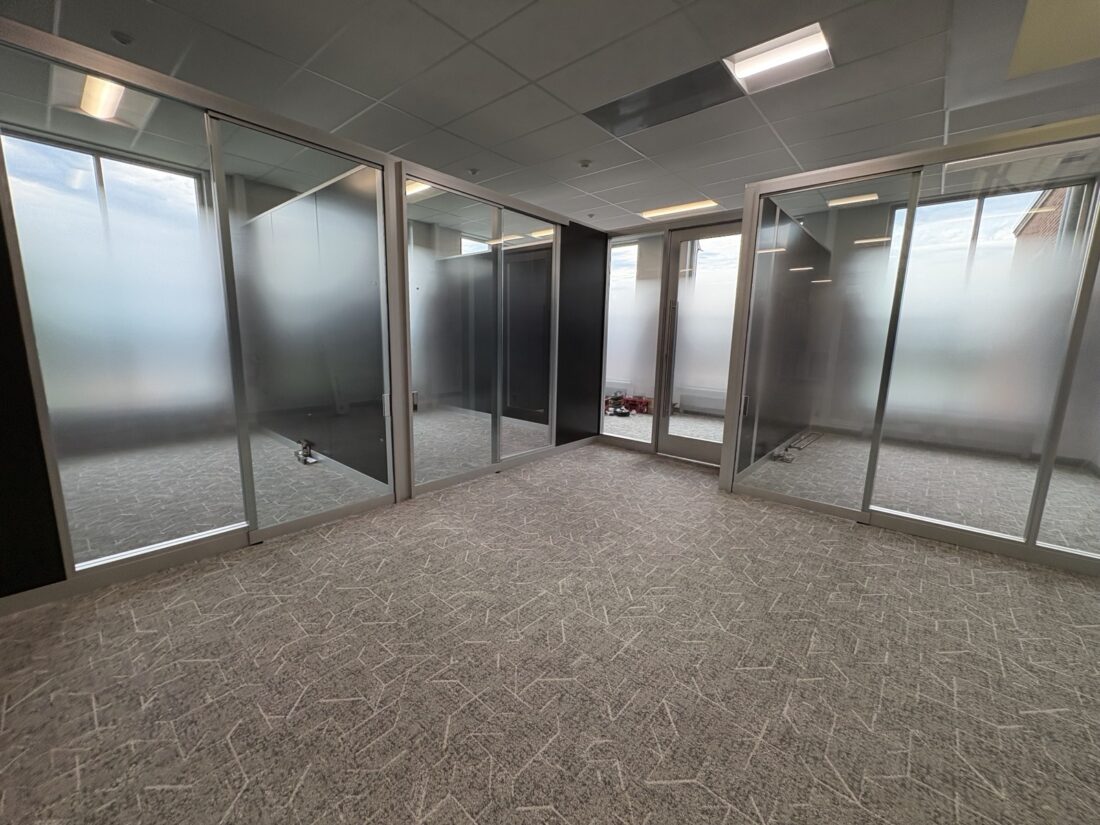
Does Privacy Film Damage Windows?
Privacy film usually does not damage windows when it is compatible with the glass and installed correctly. Problems can arise if the film is unsuitable for the glazing, installation tools are used carelessly, or the film is removed with the wrong method. Cleaning can also damage the film’s surface, even when the glass underneath remains unharmed.
The risk depends on the window, the film, and how it is handled. Here is what to check during installation, use, cleaning, and removal.
Key Takeaways
- Film-to-glass compatibility matters, particularly for coated or insulated glass.
- Thermal stress is a consideration, but it does not mean film will automatically break a window.
- Abrasive cleaning materials can scratch the film. Follow the product’s care instructions.
- Improper removal can damage glass or exposed coatings.
- Check both the window and film warranties before installation.
The Short Answer
Privacy window film does not usually damage glass when the product is selected for the specific window and installed according to the manufacturer’s guidance.
Ask for a glass assessment, confirm compatibility, and check both warranties before work begins.
Four Stages Where Privacy Film Can Affect Your Windows
Window film has four relevant stages: installation, years in service, regular cleaning, and eventual removal. Each has different risks, and most can be reduced by following product-specific guidance.
Stage 1: Installation
Careless preparation or trimming can scratch glass. Dirt or grit caught under a tool may also affect the finish. The film must be appropriate for the glass, including any coatings and the construction of an insulated glass unit.
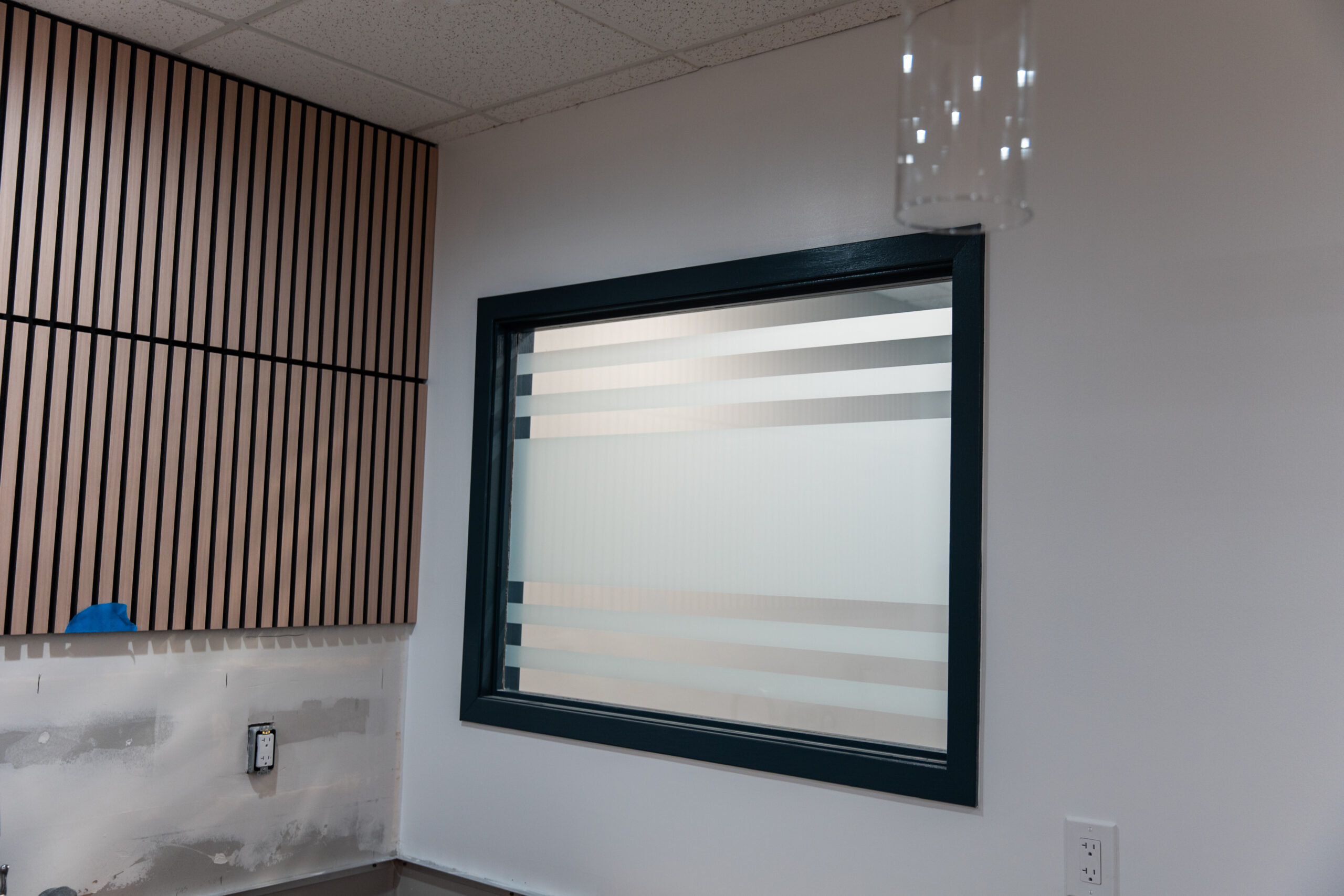
Before installation, ask the installer to identify the glass type and check it against the film manufacturer’s compatibility guidance. The Window Film Pros FAQ also notes that recommendations depend on the glass and the manufacturer’s application guidance.
Stage 2: Years in Service
Some films change how solar energy is reflected, transmitted, or absorbed by the glass. Depending on the film and glazing combination, that can affect thermal stress. Compatibility should be assessed using the product maker’s guidance rather than assumptions based only on the window’s age or appearance.
The glass type, coating location, film specifications, exposure, and existing condition can all matter. The International Window Film Association notes that Low-E glass suitability depends on the type and location of the coating and the film’s intended performance. Ask the installer to confirm compatibility for your exact windows.
Fogging between panes can indicate a failed insulated glass seal. Have the window assessed before attributing the problem to film.
Stage 3: Everyday Cleaning
Routine cleaning is more likely to scratch or wear the film than the glass, especially if you use abrasive pads or stiff brushes. Cleaner recommendations vary by product, so do not assume every film has the same restrictions.
Use the film manufacturer’s care instructions. In general, a soft cloth or clean sponge and a nonabrasive cleaner are safer choices. If the film was recently installed, follow the maker’s guidance on when cleaning can begin.
Stage 4: Removal
Improper removal can scratch glass, damage an exposed coating, or chip an edge. The risk depends on the glass surface and the tools or methods used.
- Coated glass: Some coatings are on surfaces within the insulated glass unit, while others may be exposed. Confirm the coating location before scraping.
- Tempered glass: Avoid applying force near the edges or using an unapproved removal method.
- Heat and solvents: Use them only if the film maker’s instructions allow them for that product and glass.
- Large or difficult panes: Consider professional removal if the glass is coated, hard to access, or valuable to replace.
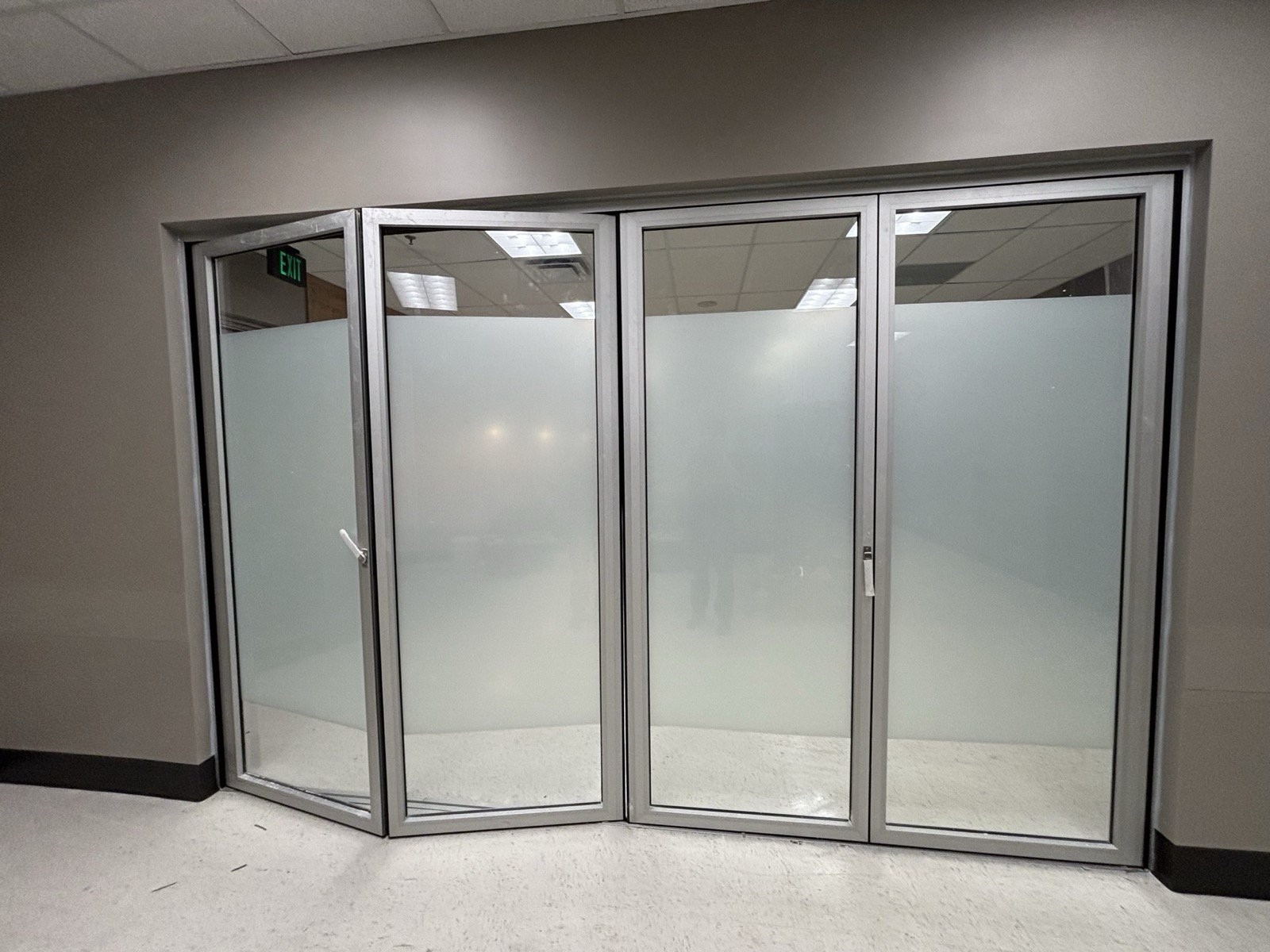
Our guides on removing old window film and choosing a window film adhesive remover cover removal considerations in more detail. Follow the instructions for the specific film and glass rather than relying on a one-size-fits-all method.
Check Window and Privacy Film Warranties
Window warranties differ. Some may include conditions about aftermarket film, while others may not. Film warranties also have product-specific terms, including compatibility and installation requirements.
Review both documents or ask the window manufacturer and film supplier for written guidance before installation. Do not assume that applying film automatically voids a window warranty.
How to Reduce the Risk Before Installing Privacy Film
- Have the glass assessed. Confirm the glass type, coatings, condition, and any signs of seal failure.
- Check film compatibility. Ask for the manufacturer’s guidance for the exact glass and film.
- Review both warranties. Get the relevant terms from the window and film manufacturers.
- Address existing issues first. Have cracked glass or fogging between panes assessed before installation.
- Ask about installation and trimming. Find out how the installer prepares the glass and protects it during the work.
- Plan for future removal. Ask what removal method is recommended for the film and your glass type.
Privacy Film Risks by Stage
| Stage | Possible Risk | How to Reduce It |
|---|---|---|
| Installation | Scratches from grit or careless trimming | Glass assessment and careful preparation |
| Years in service | Thermal stress with an incompatible film and glass combination | Check manufacturer compatibility guidance |
| Cleaning | Scratches or wear to the film | Follow care instructions and use nonabrasive materials |
| Removal | Damage to glass, edges, or exposed coatings | Follow product guidance or hire a qualified professional |
Conclusion
Privacy film does not usually damage windows when it is selected for the glass and installed according to the manufacturer’s guidance. The main precautions are to check compatibility, review both warranties, follow the film’s cleaning instructions, and use the correct removal method. Because glass and film combinations differ, ask for an assessment of your specific windows before installation.
Frequently Asked Questions
Is privacy film safe for double-pane windows?
It can be suitable for some insulated glass units, but compatibility depends on the exact glass, coatings, and film. Ask the installer to check the manufacturer’s guidance for your windows.
Can window film cause thermal stress?
Film can affect how solar energy is absorbed or reflected by glass. Whether that creates a concern depends on the specific film and glazing combination.
If I see fog between the panes, did the film cause it?
Not necessarily. Fog between panes can indicate a failed seal. Have the window assessed before drawing a conclusion.
Can cleaning damage privacy film?
Yes. Abrasive pads and stiff brushes can scratch the film. Follow the product’s cleaning instructions and use nonabrasive materials.
Can privacy film be removed without damaging the glass?
Often, but the right method depends on the film and glass. Coated, tempered, or hard-to-reach windows may be better handled by a professional.
Will installing film void my window warranty?
Terms vary by manufacturer and product. Check the window warranty and film warranty before installation.
Should I have my windows assessed before applying privacy film?
Yes. An assessment can identify the glass type, coatings, condition, and film compatibility before installation.
Not Sure Your Windows Are a Good Fit for Film?
A glass assessment can help identify which film is suitable for your windows. Contact Michigan Glass Coatings to discuss your project.