info@michgc.com

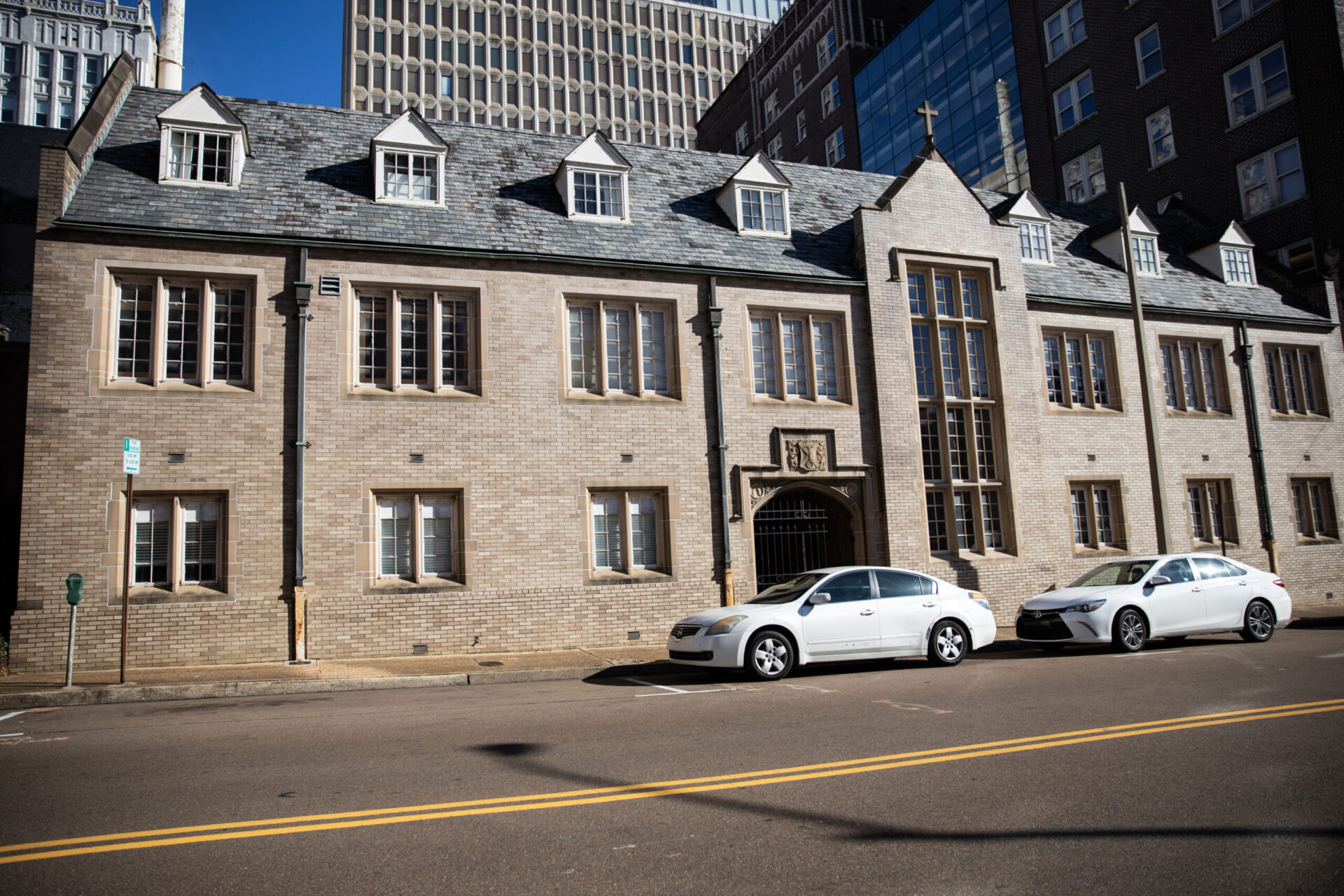
Solar Control Window Film for Downtown Grand Rapids Office Buildings
Solar control window film for Grand Rapids office buildings is the fastest non-capital improvement available to downtown property managers who are losing tenant renewal conversations to buildings that feel more comfortable to work in. The Monroe Center corridor, the Medical Mile office towers, the Arena District mixed-use buildings, and the suburban office parks in Kentwood, Wyoming, and Walker all share a version of the same problem: west- and south-facing glass that was specified for aesthetics and daylighting in the original design is now the primary driver of afternoon comfort complaints from tenants on perimeter floors.
Michigan Glass Coatings installs solar control window film for commercial office buildings throughout Grand Rapids and surrounding areas, including Kentwood, Wyoming, Walker, Grandville, and East Grand Rapids, and this guide walks property managers and facilities directors through the tenant comfort case, the energy math, and what installation looks like in an occupied building.
The Tenant-Comfort Problem in Downtown Grand Rapids Office Towers
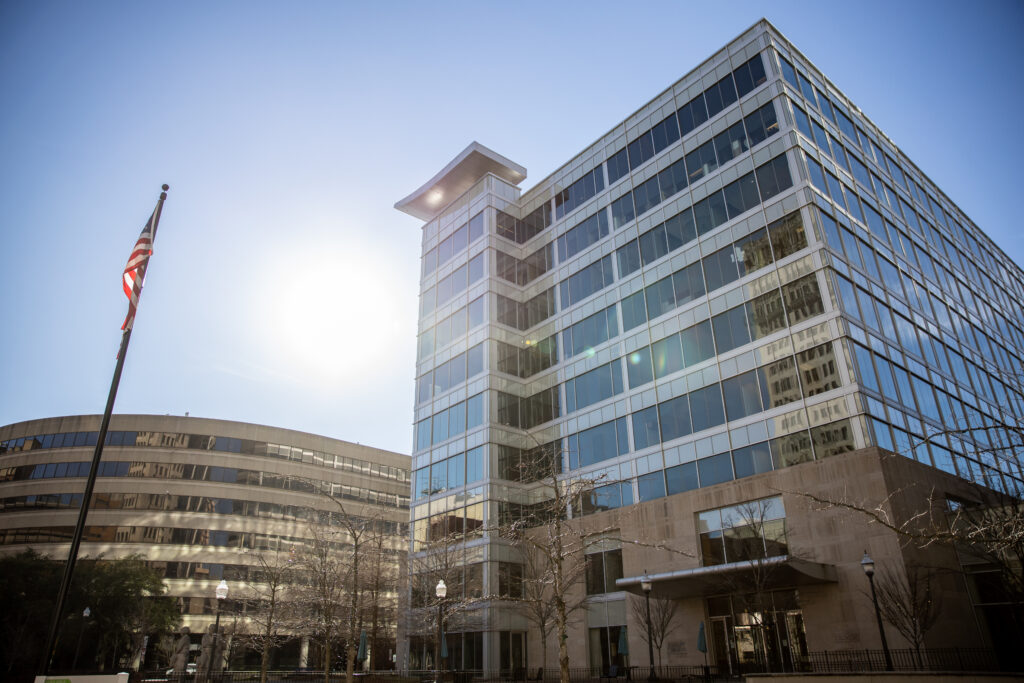
Grand Rapids has seen significant Class A and Class B office investment over the past fifteen years, and the buildings from that development cycle were designed with generous glass coverage that conveys modernity and daylighting. The commercial reality in 2026 is that those same glass-forward buildings are competing against each other for a tenant base that has become more selective about how the space feels to work in every day.
The comfort complaint pattern is consistent across Grand Rapids downtown office buildings. Tenants on west-facing floors report that afternoon workstations near the windows are consistently warmer than interior seating, that glare on screens drives the habit of closing blinds and losing natural light, and that the temperature differential between perimeter and interior seating areas is large enough to affect where people choose to sit. Facilities teams field these complaints, the building’s HVAC system runs harder to compensate, and energy costs climb through the summer months.
Solar control film addresses the source of the problem rather than the symptom. By intercepting solar heat at the glass surface before it enters the building, the film reduces the heat load that reaches perimeter floors and the mechanical systems tasked with managing it. The temperature differential between the window line and interior seating decreases. Glare on workstations decreases. The air conditioning runs shorter cycles. And the tenant who was considering a move to a building with better glass has one fewer reason to leave.
How Solar Control Window Film Reduces HVAC Load
Solar Heat Gain Coefficient, Visible Light Transmission, and the Numbers That Actually Predict Comfort
Two numbers matter most when evaluating solar control film for a Grand Rapids office building: solar heat gain coefficient and visible light transmission.
Solar heat gain coefficient measures the fraction of solar energy that passes through the glass into the building. A lower number means less heat entering the building. Standard commercial glass without film typically has a solar heat gain coefficient of 0.25 to 0.40, depending on the glass type and any existing factory coating. Quality solar control films reduce the effective solar heat gain coefficient of the treated glass to 0.10-0.20, depending on the selected film specification, representing a meaningful reduction in the heat load entering the perimeter zone on each treated floor.
Visible light transmission measures how much natural light passes through the treated glass. The goal for most Grand Rapids office applications is a film specification that significantly reduces the solar heat gain coefficient while maintaining sufficient visible light transmission to keep perimeter offices bright and functional. Spectrally selective films are specifically engineered to achieve this balance, blocking more heat than light, which is why they are the preferred specification for occupied commercial office buildings where daylighting quality matters alongside thermal performance.
Payback Math for a Typical Downtown Grand Rapids Building
The financial case for solar control film in a Grand Rapids office building is driven by two variables: the energy cost reduction the film delivers and the installation cost. The payback period, which is the time it takes for energy savings to equal the installation cost, consistently falls within the three- to five-year range for Grand Rapids commercial buildings with significant west- or south-facing glass exposure in the climate zone.
A mid-rise downtown Grand Rapids office building with a full west-facing curtainwall elevation, treated with quality solar control film, can expect a meaningful reduction in cooling energy consumption on those floors during the May through September cooling season. The specific dollar amount depends on the building’s energy baseline, the utility rate structure, and the number of floors treated, but the directional case is consistent: buildings with older or underperforming west-facing glass in a Michigan climate see the strongest and most rapid energy cost returns from solar film retrofit.
Utility Rebates and Section 179 Deduction Considerations
Consumers Energy and Michigan’s other commercial utility providers periodically offer energy-efficiency incentive programs that may include qualifying window film installations. Availability, eligibility requirements, and incentive amounts change from year to year and are determined by the utility’s current program offerings.
Section 179 of the federal tax code allows businesses to deduct the full cost of qualifying property improvements in the year the improvements are placed in service, rather than depreciating the cost over multiple years. Window film installed in a commercial building for energy efficiency may qualify for a Section 179 deduction, depending on how the installation is classified and the building owner’s specific tax situation.
Both of these potential financial benefits depend on the program’s current availability and the building owner’s specific circumstances. Michigan Glass Coatings recommends that Grand Rapids property managers consult with their utility account representative and their tax advisor before factoring either into a project decision. What the installation does deliver with certainty is the energy reduction itself, which produces savings regardless of whether additional incentive programs apply.
Choosing a Spectrally Selective vs. Reflective Film
Grand Rapids office property managers evaluating solar control film have two primary technology categories to choose from, and the choice has a meaningful impact on both performance and building appearance.
Spectrally selective film uses advanced optical technology to block a high percentage of near-infrared heat while maintaining relatively high visible light transmission. From the exterior, the spectrally selective film on commercial glass looks neutral and does not produce a strong mirror effect. It is the recommended specification for Grand Rapids downtown office buildings where exterior appearance is part of the building’s brand identity or where tenant preference for natural light quality is a priority. Commercial window tinting in Grand Rapids covers the full range of spectrally selective and other commercial film products available for Grand Rapids office buildings.
Reflective film uses a metallic layer to reflect incoming solar energy away from the glass surface. It produces a stronger mirror-like appearance on the exterior and delivers high heat-rejection performance. For Grand Rapids buildings where maximum heat rejection is the priority and the more visible exterior tint is acceptable, reflective film is a viable specification. For buildings in design-review districts or with landlord appearance standards, the stronger exterior appearance of reflective film requires confirmation before specification.
Installation Logistics for Occupied Office Towers
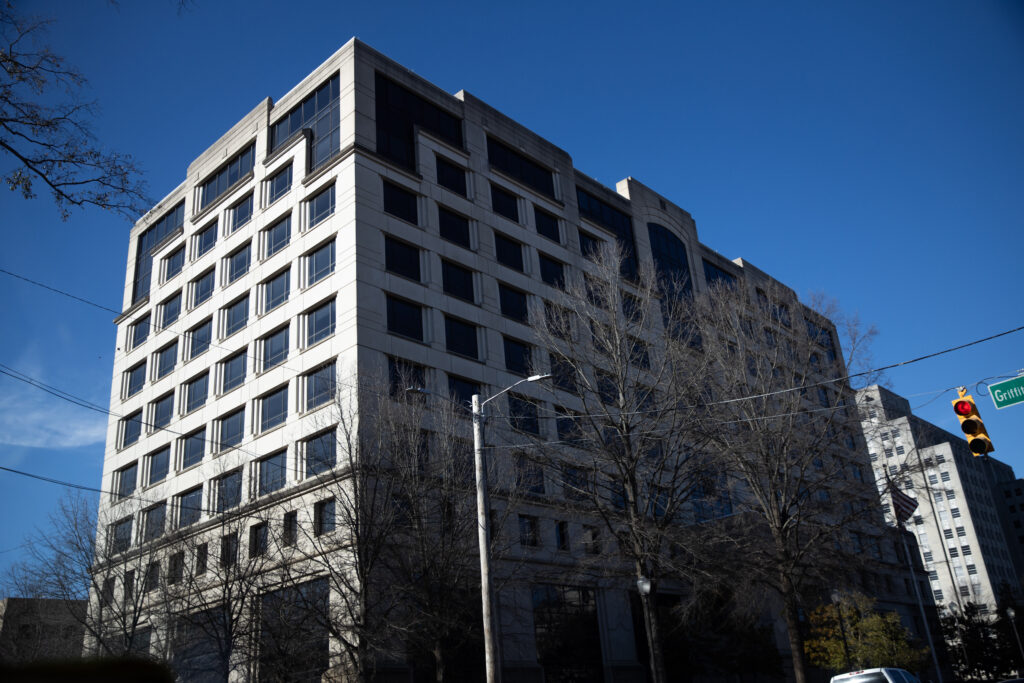
The most common concern among Grand Rapids facilities directors when evaluating a solar control film project is what the installation will mean for building operations. The answer is consistently less disruptive than expected.
Professional window film installation in an occupied Grand Rapids office building does not require that floors be vacated, construction barriers be erected, or HVAC systems be shut down. The installation crew works floor by floor, treating each glass surface without disrupting the normal function of the spaces. For buildings where any installation activity during business hours is a concern, Michigan Glass Coatings schedules early-morning, evening, or weekend installation windows to keep the building fully operational for tenants throughout the project.
A standard treatment on a single office floor in a Grand Rapids mid-rise building runs one to two days, depending on the total glass area and window configuration. A full building installation across multiple floors is phased over multiple weeks, with a schedule that property management communicates to tenants in advance, resulting in minimal day-to-day impact on building operations.
Contact Michigan Glass Coatings today to schedule a Grand Rapids building assessment and receive a solar-control film specification and payback estimate tailored to your building’s glazing system, tenant calendar, and energy performance goals.
Frequently Asked Questions
How much can solar control film reduce cooling costs in a Grand Rapids office building?
The reduction in cooling costs from solar control film depends on the total glass area treated, the orientation of the treated elevations, the selected film specification, and the building’s existing energy baseline. Grand Rapids office buildings with significant west- or south-facing glass coverage in older or underperforming glazing systems see the most meaningful cooling cost reductions. Buildings in this category with high-quality spectrally selective film on their highest-exposure elevations consistently experience measurable reductions in cooling load during the May through September cooling season. Michigan Glass Coatings provides energy performance estimates as part of the building assessment process so that property managers have a documented basis for the financial case before committing to the installation.
Will solar control film change the look of our tower from the outside?
The exterior appearance changes depending on the selected film specification. Spectrally selective films in lighter specifications are nearly invisible from the street and do not significantly alter the glass’s reflectivity or color. Reflective films produce a more visible mirror-like appearance from the exterior. Michigan Glass Coatings provides exterior appearance samples and can apply test panels to a single floor or elevation for review before committing to a full building installation. For Grand Rapids downtown buildings in design-review districts, the proposed film specification and exterior appearance documentation can be submitted for review before installation begins.
Can the building stay occupied during a solar control film installation?
Yes. Solar control film installation produces no construction noise, dust, or debris. Crews work room by room and floor by floor without construction barriers, HVAC shutdowns, or any condition that requires tenants to vacate their spaces. Michigan Glass Coatings coordinates all Grand Rapids commercial installations around the building’s occupancy calendar, and the building remains fully operational and professionally presentable throughout the project.
Does solar control window film qualify for any Michigan utility rebates?
Michigan utility providers, including Consumers Energy, periodically offer commercial energy-efficiency incentive programs that may include qualifying window-film installations. Program availability, eligibility requirements, and incentive amounts change from program cycle to program cycle. Michigan Glass Coatings recommends that Grand Rapids property managers contact their utility account representative directly to confirm current program offerings and eligibility before factoring rebates into a project budget. Installation documentation provided by Michigan Glass Coatings for every project supports utility rebate submissions when applicable programs are available.
How long does commercial solar control film last in Michigan?
Quality commercial solar control film, professionally installed in Michigan, is rated for 10 to 15 years under normal conditions. Michigan’s climate, which includes hot summers with significant ultraviolet exposure, cold winters with temperature cycling, and freeze-thaw conditions at the frame edges, is a moderately demanding environment for commercial window film. Film longevity in Michigan commercial applications depends on selecting the correct product for the glazing system, proper installation with sealed edges, and cleaning with appropriate non-abrasive products by the building’s maintenance team. Michigan Glass Coatings specifies products rated for Michigan’s climate and provides maintenance guidelines with every commercial installation.