info@michgc.com

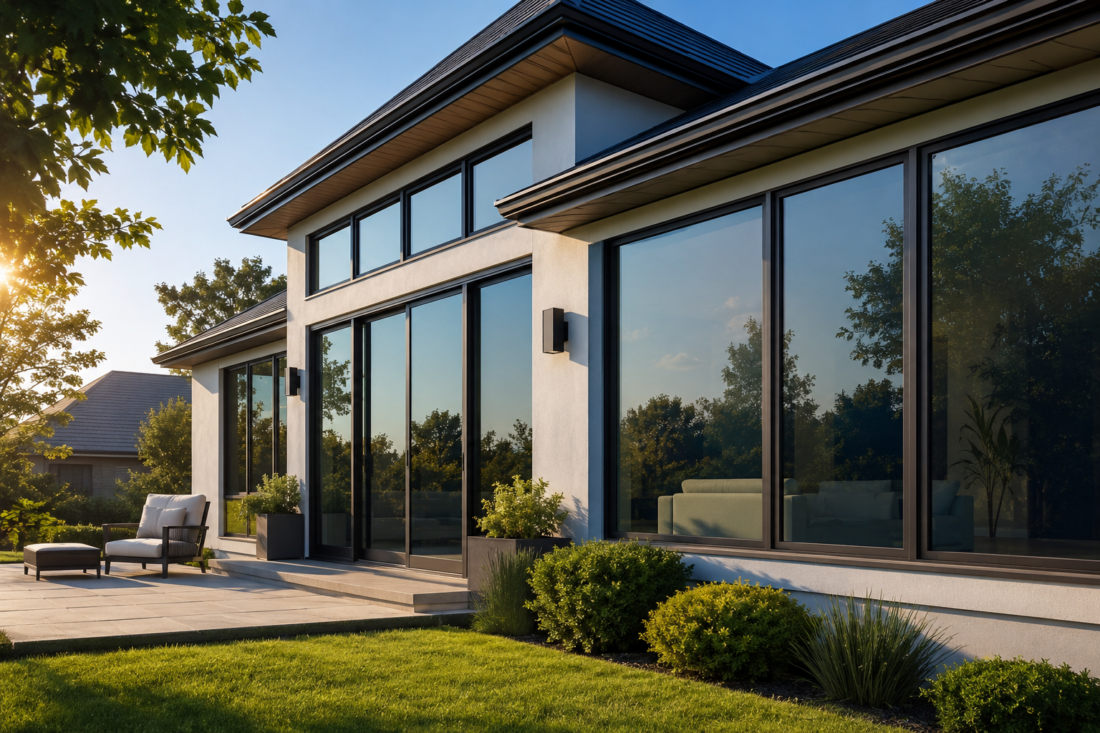
Solar Control Window Film for Birmingham, MI Homes
Solar control window film for Birmingham, MI homes is the upgrade that homeowners in older brick colonials on Henrietta Street and newer glass-forward builds near Quarton Lake are choosing when west- and south-facing rooms run eight to fifteen degrees hotter than the rest of the house from June through August. No amount of air conditioning fully closes that gap. Michigan’s summer sun is more intense than most Birmingham homeowners expect, and the large windows that make a colonial dining room or a modern great room feel bright and open are also the primary entry point for the solar heat that drives problem room temperatures up every afternoon. Solar control window film from Michigan Glass Coatings reduces heat gain at the glass surface before it enters the room, without changing how the home looks from the street or replacing a single window.
Michigan Glass Coatings serves homeowners throughout Birmingham and surrounding areas, including Bloomfield Hills, Troy, Royal Oak, Berkley, and Beverly Hills. This guide covers how solar control film works, which film type is best for which Birmingham home, and what the installation process looks like from start to finish.
Why Birmingham Homes Heat Up and What Window Film Actually Fixes
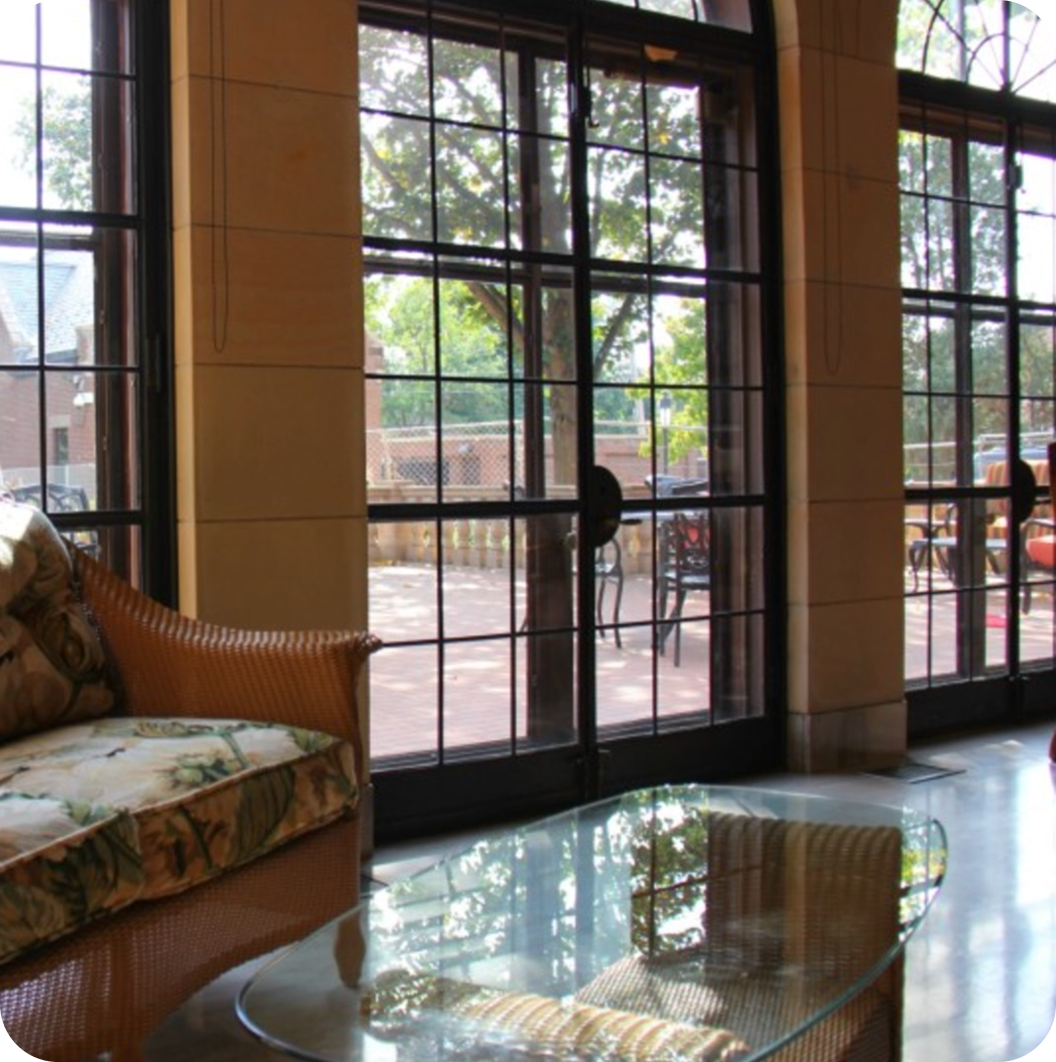
The heat problem in Birmingham homes is not random. It follows the sun. South- and west-facing rooms receive direct sunlight during the hottest parts of the Michigan summer day. A west-facing master bedroom or living room in a Birmingham colonial receives direct sun from mid-afternoon through sunset, the hottest window of the day. A south-facing sunroom or kitchen with large glass receives sun through most of the day and accumulates heat load from morning through afternoon.
Standard window glass, even double-pane glass with a factory coating, transmits a significant portion of incoming solar energy directly into the room as heat. The air conditioning system in the room responds by running longer cycles, and the perimeter zone near the windows stays warmer than the interior of the room, regardless of how long the system runs.
Solar control film addresses the problem at the glass rather than downstream in the mechanical system. By intercepting solar energy at the glass surface before it enters the room, the film reduces the heat load. The room temperature near the windows drops. The air conditioning runs shorter cycles. The problem room becomes usable again during the summer months.
Three Types of Solar Control Film for Residential Use
Spectrally Selective vs. Reflective vs. Ceramic Films
Birmingham homeowners evaluating solar control film have three main technology categories to choose from, and the differences between them matter for both performance and appearance.
Spectrally selective film uses advanced technology to block near-infrared heat while maintaining high visible light transmission. These films reject meaningful amounts of solar heat without significantly darkening the window or adding a strong tint. For Birmingham colonials with traditional window styles where maintaining the original look of the glass is a priority, spectrally selective film is frequently the right specification because it delivers real heat rejection while keeping the window looking nearly clear.
Reflective film uses a metallic layer to reflect incoming solar energy away from the glass surface. It is one of the more effective heat-rejection options available. Still, it produces a more visible mirror-like appearance on the glass’s exterior that some Birmingham homeowners find inconsistent with their home’s character. It is appropriate for specific applications where maximum heat rejection is the priority and exterior appearance is a secondary concern.
Ceramic film uses non-metallic ceramic particles to reject solar energy through absorption and reflection. It performs comparably to or better than reflective film in terms of heat rejection without the strong mirror appearance, does not interfere with wireless signals, and maintains its clarity and performance over a long service life. For most Birmingham residential solar control applications, ceramic film is the recommended specification because it effectively balances performance, appearance, and longevity.
What to Expect: Heat Rejection, Glare Reduction, and UV Protection
Quality solar control films for Birmingham homes typically reject between 40 and 80 percent of total solar energy, depending on the specific product and the selected visible light transmission level. A film that rejects 60 percent of total solar energy means that 60 percent of the heat that would otherwise enter through the unprotected glass is stopped at the surface before reaching the interior. For a west-facing Birmingham room that runs ten degrees hotter than the rest of the house on a July afternoon, that reduction in heat gain at the glass source is the most direct available intervention short of replacing the windows entirely.
Glare reduction follows a parallel benefit curve. Direct afternoon sun on screens, work surfaces, and reflective finishes becomes significantly less intense with solar control film in place, without requiring blinds to stay closed and natural light to be blocked entirely.
Ultraviolet protection is the third benefit and the one that most Birmingham homeowners underestimate before installation. Most quality solar control films block 99 percent or more of ultraviolet radiation, which is the primary driver of fading in hardwood floors, wool and silk area rugs, upholstered furniture, and artwork. For Birmingham homes with significant investments in interior finishes and furnishings, the preservation value of ultraviolet blocking from solar film is real and cumulative over the life of the installation.
Will It Change How My Windows Look From the Street?
This is the question most Birmingham homeowners ask first, and the honest answer depends on the type of film selected. Spectrally selective and ceramic films in lighter specifications are nearly invisible from the street at normal viewing distances. The windows retain their original appearance, with no visible tint or mirror effect. Darker or more reflective specifications produce a more visible exterior appearance, ranging from a subtle tint to a noticeable mirror finish, depending on the product.
Michigan Glass Coatings provides physical samples for every residential project, allowing Birmingham homeowners to evaluate the exterior appearance of the proposed film specification on their actual windows before any installation is committed. Residential window tinting in Michigan covers the full range of residential film options available for Birmingham homes. It serves as a starting point for homeowners who want to understand the product range before scheduling a consultation.
What Solar Control Film Costs in the Detroit Suburbs
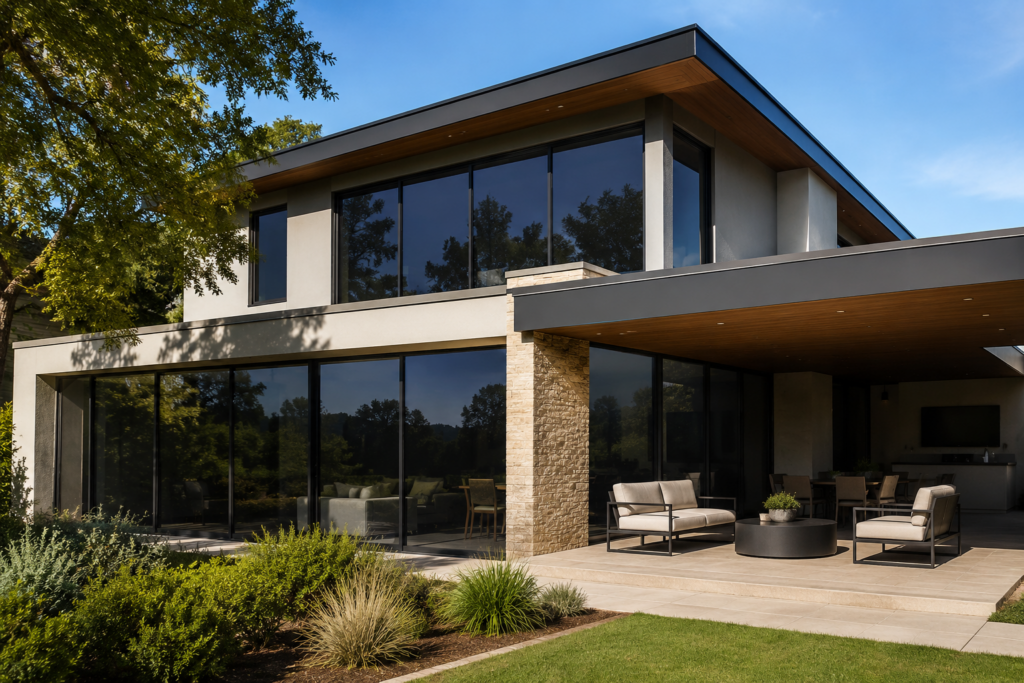
Solar control film pricing for Birmingham residential projects depends on the number and size of windows to be treated, the specific film product selected, and whether any windows have configurations that require additional installation considerations, such as skylights or specialty shapes.
Most Birmingham homeowners, treating the highest-priority rooms in their home, typically the west-facing living areas, master bedroom, and any problem sunroom, find the project cost to be a fraction of what partial window replacement would run for the same openings. The installation is completed in a single day for most homes, and the improvement in comfort is noticeable in the first summer after installation.
Michigan Glass Coatings provides written quotes for every Birmingham residential project after a home assessment, with itemized pricing by room and window, allowing homeowners to make informed decisions about which surfaces to prioritize within their budget.
What a Birmingham Installation Looks Like, Start to Finish
Professional window film installation from Michigan Glass Coatings begins with a home assessment that identifies the rooms and windows with the highest heat and glare exposure, confirms window type and film compatibility, and provides product recommendations with samples for review before any commitment is made.
Once a film specification is selected and approved, installation is scheduled and completed in a single visit for most homes in Birmingham. The crew cleans each glass surface, applies the film using a wet application process that allows precise positioning before the adhesive bonds, and trims to exact dimensions for a clean finished result at the frame edge.
The film takes approximately 30 days to cure and bond to the glass after full installation. During the curing period, minor water pockets or a slight haze may be visible in the film. These resolve on their own as the film cures and are not a problem with the installation. The home is fully usable the same day, with no construction mess, debris, or extended disruption to the household.
Contact Michigan Glass Coatings today to schedule your Birmingham home assessment and get a solar control film specification tailored to your home’s sun exposure, comfort priorities, and budget for this summer.
Frequently Asked Questions
Will solar control window film void my home window warranty?
It depends on the film product and your window manufacturer’s specific policy. Most major window manufacturers publish compatibility guidelines for window film, and products that meet those guidelines do not void the warranty. Michigan Glass Coatings evaluates window types and manufacturer specifications during the home assessment and recommends film products compatible with your Birmingham windows. Homeowners with active window warranties should also confirm the manufacturer’s current film policy directly before installation if they have specific warranty concerns.
How much can solar control film lower my AC bill in a Birmingham home?
The reduction in air conditioning costs from solar control film depends on the number and size of south- and west-facing windows being treated, the efficiency of the existing air conditioning system, and the home’s overall insulation level. Michigan homes with significant south- or west-facing glass exposure in rooms that run noticeably hotter than the rest of the house during summer see the most meaningful impact on cooling costs. Quality ceramic film that rejects 50 to 70 percent of total solar energy through treated windows reduces the heat gain that the air conditioning system must compensate for during peak afternoon hours. Michigan Glass Coatings does not guarantee specific bill reductions because household variables affect the outcome. Still, the heat load reduction in Birmingham homes with direct sun exposure is consistently measurable and noticed by homeowners in the first summer after installation.
Does solar control film make windows look dark or mirrored from the outside?
Not necessarily. Spectrally selective, lighter ceramic films are nearly invisible from the street at normal viewing distances and do not significantly alter the exterior appearance of the home’s windows. Darker or reflective specifications produce a more visible tint or mirror effect. Michigan Glass Coatings provides physical samples for every Birmingham residential project before installation, so homeowners can confirm the exterior appearance of the proposed film in their actual home environment under actual lighting conditions before any film is committed to the glass.
How long does residential solar control film last in Michigan weather?
Quality residential solar control film, professionally installed in Michigan, is rated for 15 years or more under normal conditions. Michigan’s climate, which includes hot summers with significant ultraviolet exposure and cold winters with temperature cycling, is a moderately demanding environment for window film. Film longevity depends on selecting the correct product for the climate, proper installation with sealed edges, and routine cleaning with non-abrasive products. Michigan Glass Coatings specifies film products rated for Michigan’s climate conditions and provides care and maintenance guidelines with every Birmingham residential installation.